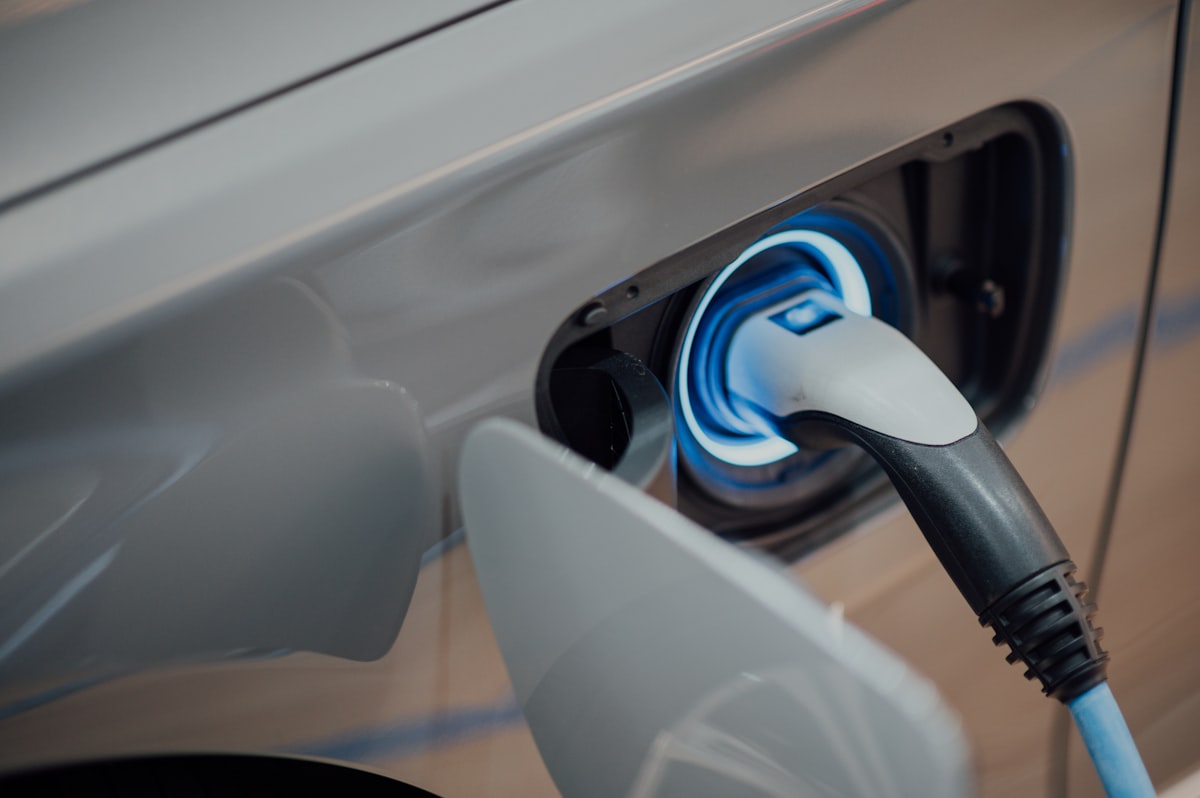
EV Charging at Home: A 30-day Diary from a Mumbai Lessee
What it actually costs (₹4–5 per km), where to install a charger, and which housing societies say yes.
Why this matters
India's car market is shifting fast — ethanol blends, EV adoption, GPS-tracked fleets, and digital KYC have all moved the unit economics of car ownership. ZeroLease pairs that shift with a zero-deposit model so you can drive without locking lakhs as a security deposit.
What we cover
- The big picture: where the policy and tech is heading
- The numbers: what it actually costs you (or earns you)
- The practical playbook: what to do this month
The Numbers
Take a mid-segment sedan at ₹45,000/month on a 12-month lease.
- Token (10%): ₹4,500
- Platform fee (5%): ₹2,250/mo
- Owner payout: ₹42,750/mo
- 12-month gross to owner: ₹5,13,000
The Playbook
1. **Pick the right fuel** for your daily commute — diesel beats petrol over 1,500 km/mo; EV beats both if you have home charging.
2. **Lease, don't buy** when your usage horizon is under 36 months — you save the depreciation hit.
3. **Use a verified platform** with KYC + GPS + insurance — the platform fee pays for itself in the first claim.
Bottom line
The Indian car landscape will look completely different by 2030. Either you adapt the way you own a car — or you keep paying for someone else's depreciation. ZeroLease was built for the first group.